Buttery Croissant Recipes At Home
Highlighted under: Baking Moments
I absolutely love making buttery croissants at home, and it has become a delightful weekend ritual for me. The moment that golden-brown pastry emerges from the oven fills my kitchen with warm, buttery scents that make my heart sing. With flakey layers and a pleasant crispness, these homemade croissants elevate any breakfast table. I've perfected the technique over time, and each batch brings a sense of joy and accomplishment as I bite into that soft and airy interior. Let's dive into creating these delicious treats together!
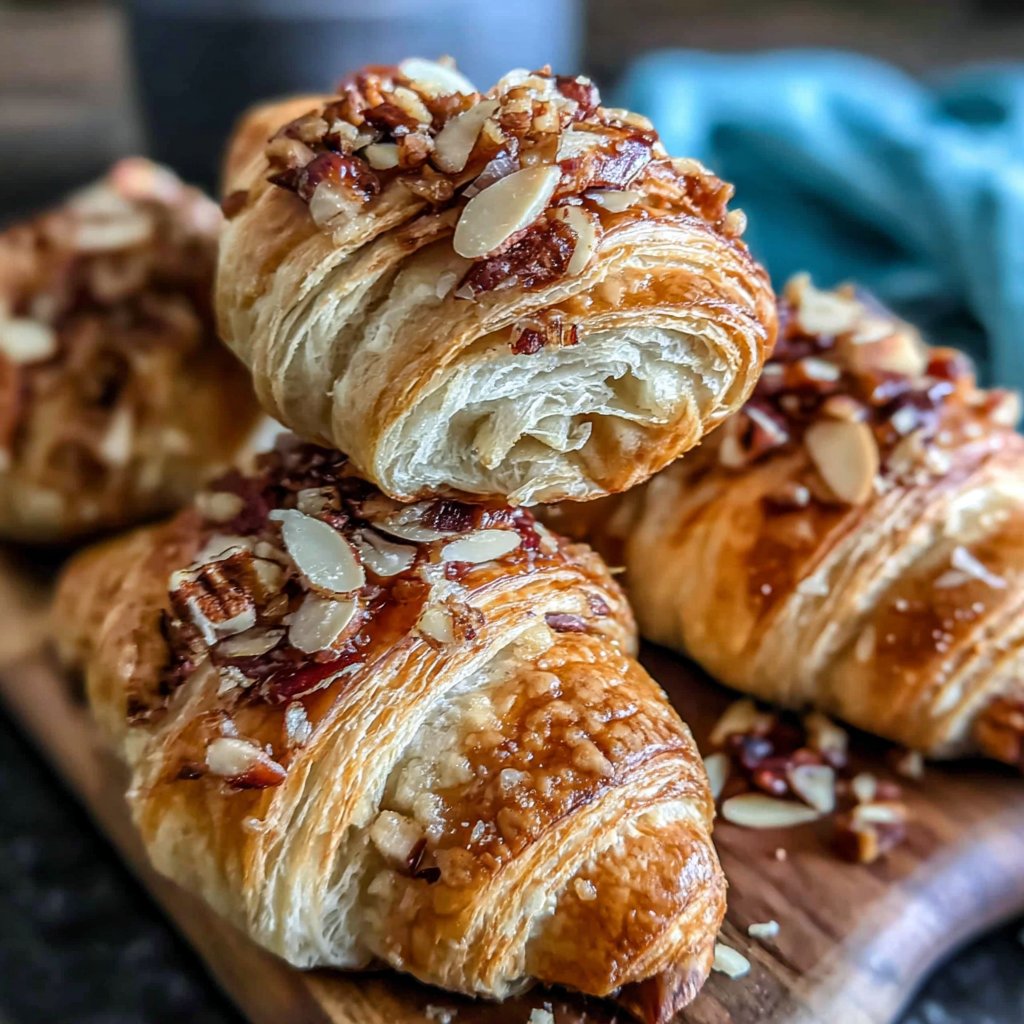

When I first attempted making croissants, I struggled with the laminating process. It wasn’t until I learned the importance of keeping everything cold that everything clicked into place. The butter must remain solid to ensure that those delightful layers form correctly as they bake. Knowing this really transformed how my croissants turned out!
Additionally, I discovered that giving the dough time to rest in the fridge between folds makes a world of difference. This technique developed the flavors beautifully, resulting in a fragrant pastry that is both light and flaky. Trust this process, and you’ll be rewarded with heavenly croissants!
Why You Will Love These Croissants
- Layers of buttery goodness that flake beautifully with each bite
- The satisfaction of mastering a classic pastry from scratch
- Perfect for breakfast, brunch, or as an indulgent snack
Understanding the Dough
The dough is the heart of your croissants, combining flour, water, milk, and yeast to create a base that will rise and flake beautifully. It's essential to knead the dough just enough to develop gluten, which provides structure, but be careful not to over-knead, as that can lead to tough croissants. After mixing, when it feels silky and pliable, a resting period in the fridge not only chills the dough but also relaxes the gluten, making it easier to roll out later.
Using warm milk helps activate the yeast more effectively, ensuring a good rise. If you're in a hurry, you can substitute in a quick-rise yeast for this recipe, but be sure to adjust the rising time accordingly. When you prepare your dough, always pay attention to the humidity in your kitchen; this can affect the flour's absorption rate. If your dough seems too sticky, you can add an extra tablespoon of flour gradually until it holds together properly.
Perfecting the Butter Layer
The butter layer is crucial for achieving that iconic flaky texture. Ensure your butter is very cold before beating it into a rectangle; this prevents it from melting into your dough during the lamination process. Using high-fat unsalted butter not only enhances flavor but helps maintain consistency during baking. When pounding the butter, take care to wrap it in parchment paper to avoid sticking, and check that the butter remains firm yet pliable.
If you don't have time to wait, you can freeze the butter for 10-15 minutes before rolling it out. A key tip is to make sure your ingredients are all at similar temperatures to prevent the butter from solidifying too quickly, which could lead to large chunks in your final product. If you find the butter's not the right consistency, let it sit out briefly to soften slightly, and then re-flatten.
Shape and Storage Tips
Shaping your croissants is an art; you can choose how tight or loose to roll them based on your preference for fluffiness. A looser roll will yield a more traditional airy texture, while a tighter roll will deliver a denser product. Once rolled, don't forget to give the croissants ample time to rise, usually about an hour, and keep them in a warm area to encourage proper yeast activity for a puffier croissant.
For any leftovers, be sure to allow them to cool completely before storing to prevent sogginess. You can keep croissants in an airtight container for 2-3 days at room temperature or freeze them for longer storage—just wrap them tightly in foil before placing them in a freezer bag. To reheat, pop them in a preheated oven at 350°F (175°C) for about 10 minutes or until warmed through, restoring that delightful crispness.
Ingredients
Gather the following ingredients to get started:
For the Dough
- 4 cups all-purpose flour
- 1/4 cup granulated sugar
- 1 tablespoon salt
- 1 tablespoon instant yeast
- 1 1/4 cups milk, warmed
- 1/4 cup unsalted butter, melted
- 1/4 cup cold water
For the Butter Layer
- 1 1/2 cups unsalted butter, cold
For the Egg Wash
- 1 egg
- 1 tablespoon milk
Make sure to keep these ingredients handy as we prepare our delicious croissants!
Instructions
Follow these steps to create your buttery croissants:
Prepare the Dough
In a mixing bowl, combine the flour, sugar, salt, and yeast. Slowly add the warm milk and melted butter. Mix until a rough dough forms, then add cold water to help with consistency.
Knead and Chill
Knead the dough on a floured surface for about 5 minutes until smooth. Shape it into a ball, wrap in plastic wrap, and refrigerate for at least 1 hour.
Prepare the Butter Layer
Place the cold butter between two sheets of parchment paper and pound it into a rectangle about 1/2 inch thick. Refrigerate until firm.
Laminate the Dough
Roll out the chilled dough into a rectangle. Place the butter layer in the center, fold the dough over the butter, and roll it out to the same size. Perform a series of folds, chilling the dough for 30 minutes between each fold.
Shape the Croissants
After the final fold, roll the dough into a large rectangle. Cut into triangles, and roll each triangle from the wide end to the point. Place on a lined baking sheet and let rise for 1 hour.
Bake
Preheat your oven to 400°F (200°C). Mix the egg with milk to create an egg wash and brush it over the croissants. Bake for 15-20 minutes or until golden brown and flaky.
Now enjoy your freshly baked buttery croissants!
Pro Tips
- To achieve maximum flakiness, make sure your butter is cold but pliable when you laminate the dough. This prevents it from breaking into pieces, ensuring beautiful layers.
Troubleshooting Common Pitfalls
If your croissants don't rise properly, it could be due to the yeast not being activated. Make sure to use fresh yeast and warm milk to ensure a bubbly consistency as you knead the dough. Additionally, check that your dough has enough time to rise; sometimes, an exceptionally cold kitchen can hinder this process. Warm up your workspace if necessary.
Over-baking can lead to dry croissants; keep an eye on your pastries in the last few minutes of baking. You're looking for a golden-brown color with a slight shine rather than an overly dark crust. An instant-read thermometer can be a great tool to check the internal temp, which should be around 200°F (93°C) when perfectly baked.
Variations to Try
Feeling adventurous? Try adding different fillings like chocolate or almond paste before rolling your croissants. For almond croissants, sprinkle some almond slices on the filling before you roll them up, and finish with a dusting of powdered sugar after baking. You can even experiment with savory variations such as cheese or ham for a delicious breakfast option.
If you're looking for a richer alternative, consider incorporating herbs into the butter layer. Fresh thyme or rosemary can add a lovely flavor twist. Just finely chop the herbs and mix them into the softened butter before pounding it out. This variation pairs particularly well with a roasted garlic dip, making your brunch even more special.
Questions About Recipes
→ Can I use whole wheat flour?
Yes! Substitute half of the all-purpose flour with whole wheat flour for a different texture and flavor.
→ How can I store leftover croissants?
Store in an airtight container at room temperature for 2-3 days. For longer storage, freeze and reheat in the oven.
→ Why are my croissants not rising?
Ensure your yeast is fresh and your environment is warm enough for the dough to rise properly.
→ Can I add fillings to the croissants?
Absolutely! You can add chocolate, almond paste, or ham and cheese before rolling them up.
Buttery Croissant Recipes At Home
Created by: Adeline Morris
Recipe Type: Baking Moments
Skill Level: Intermediate
Final Quantity: 12 croissants
What You'll Need
For the Dough
- 4 cups all-purpose flour
- 1/4 cup granulated sugar
- 1 tablespoon salt
- 1 tablespoon instant yeast
- 1 1/4 cups milk, warmed
- 1/4 cup unsalted butter, melted
- 1/4 cup cold water
For the Butter Layer
- 1 1/2 cups unsalted butter, cold
For the Egg Wash
- 1 egg
- 1 tablespoon milk
How-To Steps
In a mixing bowl, combine the flour, sugar, salt, and yeast. Slowly add the warm milk and melted butter. Mix until a rough dough forms, then add cold water to help with consistency.
Knead the dough on a floured surface for about 5 minutes until smooth. Shape it into a ball, wrap in plastic wrap, and refrigerate for at least 1 hour.
Place the cold butter between two sheets of parchment paper and pound it into a rectangle about 1/2 inch thick. Refrigerate until firm.
Roll out the chilled dough into a rectangle. Place the butter layer in the center, fold the dough over the butter, and roll it out to the same size. Perform a series of folds, chilling the dough for 30 minutes between each fold.
After the final fold, roll the dough into a large rectangle. Cut into triangles, and roll each triangle from the wide end to the point. Place on a lined baking sheet and let rise for 1 hour.
Preheat your oven to 400°F (200°C). Mix the egg with milk to create an egg wash and brush it over the croissants. Bake for 15-20 minutes or until golden brown and flaky.
Extra Tips
- To achieve maximum flakiness, make sure your butter is cold but pliable when you laminate the dough. This prevents it from breaking into pieces, ensuring beautiful layers.
Nutritional Breakdown (Per Serving)
- Calories: 250 kcal
- Total Fat: 15g
- Saturated Fat: 9g
- Cholesterol: 75mg
- Sodium: 170mg
- Total Carbohydrates: 30g
- Dietary Fiber: 1g
- Sugars: 4g
- Protein: 4g